What to Look for in a Lightweight Car Topper Boat?
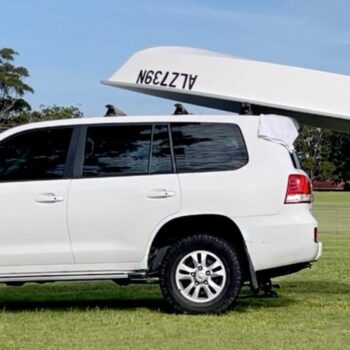
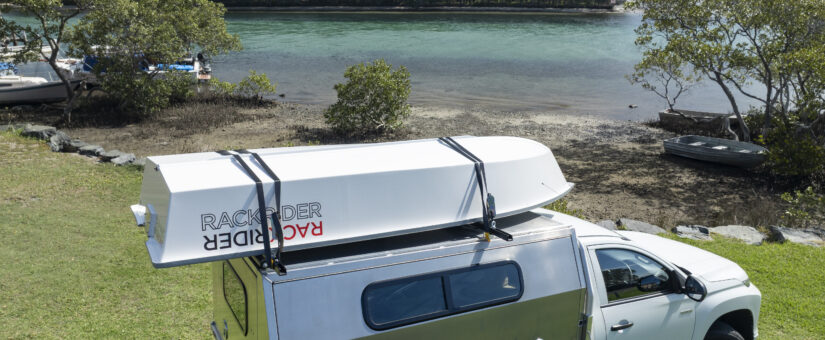
Some of the best fishing trips are the simplest. Skip the trailer, throw a lightweight car topper boat on the roof and head for the water.
That might sound too good to be true, but a car topper boat can make fishing more accessible, with easier storage, simpler transport and the freedom to launch in more remote spots. But the boat is only half the equation. The other half is your vehicle, your roof rack, and whether you can actually get it on your car’s roof.
This guide walks through what genuinely matters when choosing a lightweight car topper boat in Australia: your vehicle’s roof load rating, the gap between advertised hull weight and real ready-to-fish weight, hull material, capacity, loading method, and the road rules most buying guides skip entirely. By the end, you should be able to look at any car topper on the market and know within a few minutes whether it will actually work on your rig.
What Makes a Car Topper Boat “Lightweight”?
A car topper boat is a small hull designed to be carried on top of a vehicle rather than towed behind it on a trailer. Because of this, a car topper needs to be manageable by hand, ideally without the need for another set of hands.
If you take too much weight out of a hull, you can compromise rigidity, stability, payload or on-water performance. So, when choosing, it is important to find one that is light enough to be practical without sacrificing the strength and capability you need on the water.
There’s also a wide range of weights across the Australian car topper market. You’ll find sub-50kg composite hulls purpose-built for solo roof loading, as well as 80kg-plus aluminium tinnies that may have been designed primarily for trailer use.
For a closer look at how aluminium, inflatable, folding and composite car toppers compare, see our guide to the best car topper boat types

Considerations When Choosing a Car Topper Boat
1. Check Your Vehicle’s Roof Load Rating Before Choosing a Boat
This is one of the easiest steps to overlook, but it can determine whether a particular car topper is suitable for your vehicle in the first place.
Your boat’s advertised weight isn’t the same as the total weight sitting on your roof. You’ll need to account for the boat, roof racks, mounting hardware and any accessories attached to the rack, such as a loader or rollers.
Make sure you account for:
- Boat hull: typically 40–90kg+
- Roof rack crossbars and mounts: typically 5–15kg
- Boat loader, if fitted: typically 10–25kg
- Straps, oars and safety gear: typically 3–8kg
All of these components contribute to the roof load. The lowest-rated component is the limit that matters. For example, if your roof racks are rated to carry 75kg but your vehicle’s maximum roof load is 50kg, you must stay within the 50kg vehicle limit.
Always check your vehicle manufacturer’s specifications before choosing a boat or roof rack. It’s a quick step that can save you from investing in a setup that isn’t suitable for your vehicle.
2. Dynamic vs Static Roof Load
A vehicle’s roof can support a lot more weight while stationary than it can safely carry while moving. That is why it is important to look at the dynamic roof rating. This refers to the maximum weight your vehicle’s roof can safely support while the vehicle is being driven. For a car topper, bumps, uneven roads and sudden movements can place additional forces on the roof, racks and boat.
3. Choose the Right Boat Length for Your Vehicle and Intended Use
Bigger isn’t always better when it comes to a car topper. A longer hull can provide additional space and stability, but it can also be heavier, harder to balance during loading and more difficult to store. Its overall dimensions can also affect how it sits on your roof and whether it creates additional road-transport considerations.
When choosing, think about where you’ll actually use the boat:
- Rivers and estuaries: A shorter, manoeuvrable hull can be easier to handle in tighter waterways.
- Lakes and dams: Extra length can provide useful stability and room without necessarily making transport impractical.
- Protected coastal water: Hull shape, freeboard and stability become particularly important when dealing with wind and chop.
But don’t look at length in isolation. Weight, beam, hull shape and overall dimensions all contribute to how manageable a boat will be on and off the roof.
4. Consider the Hull Material and Construction
The material used to build your boat can have a significant impact on its weight, durability and performance.
- Aluminium car topper boats: Aluminium remains a popular choice for Australian fishing boats because it offers a good combination of durability and relatively low weight. However, a larger aluminium hull can still become surprisingly heavy once it’s built with the rigidity and reinforcement needed for regular use. Be sure to check the construction quality, welds, panel thickness and overall finish, and make sure the boat’s weight is genuinely compatible with your vehicle and intended loading method.
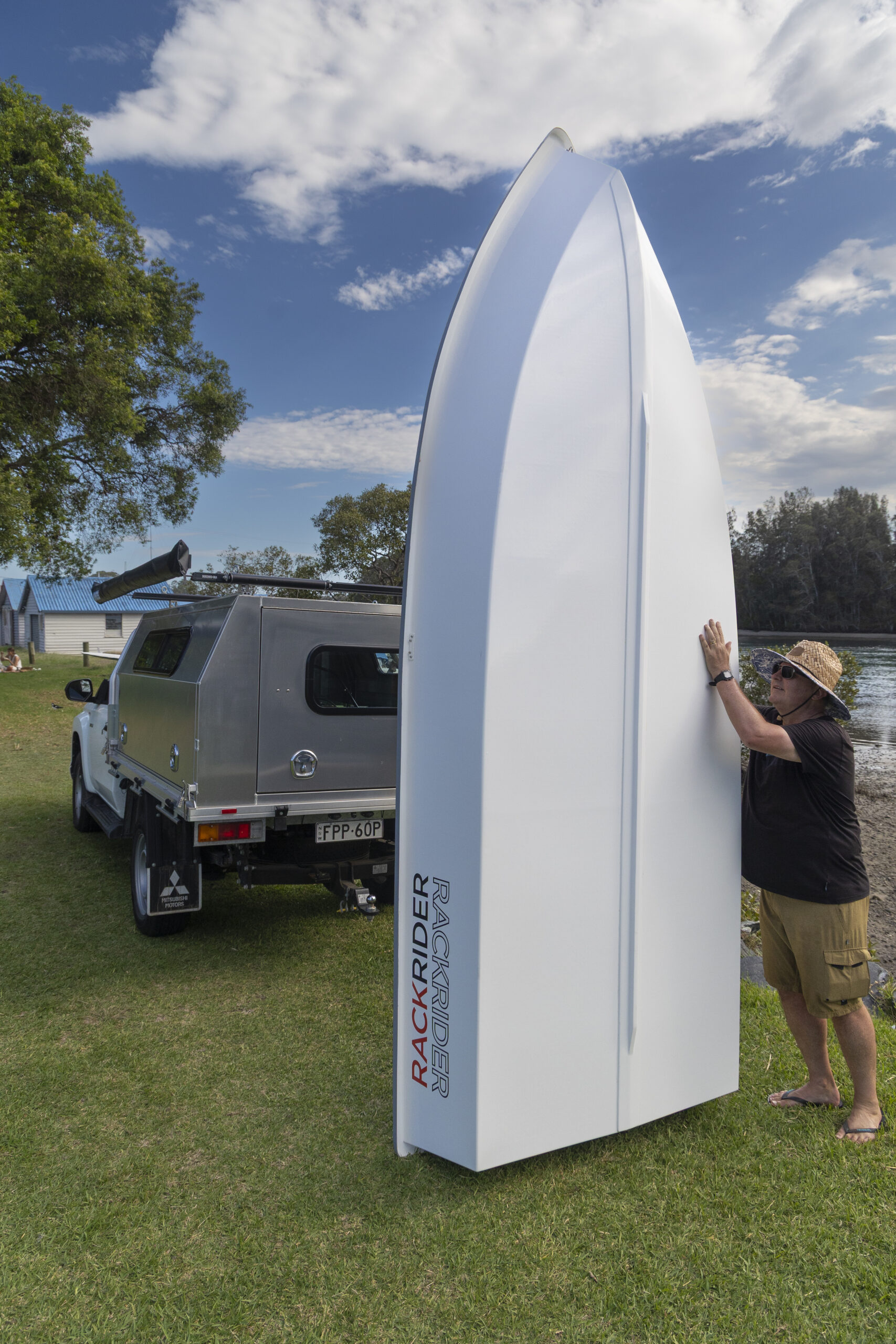
- Composite and other lightweight materials: Composite construction offers another approach to the lightweight boat problem. Some composite hulls, like Rack Rider’s 3.7m car topper, are specifically designed around easy solo handling, allowing manufacturers to reduce weight while maintaining the stiffness needed on the water.
5. Look for a Practical Weight-to-Capacity Ratio
The lightest boat may not always be the most practical. Instead of asking “What’s the lightest car topper I can buy?”, ask “How much usable boat am I getting for the weight I’m carrying?”
A slightly heavier boat may offer more usable space, greater stability and a higher carrying capacity, making it a better choice for your needs. Look at the boat’s weight, dimensions, payload capacity and intended use together rather than focusing on weight alone. This gives you a better idea of whether the boat offers the right balance of portability and performance.
6. Think About How You’ll Load and Unload It
A boat’s weight is an important consideration, but how that weight feels to lift, carry, and load can make a big difference in everyday use as well. A 45kg boat might sound easy to handle, but awkward grips, an uneven weight distribution or a high roof can make loading much harder than the number suggests.
Look for practical features such as:
- Proper carry handles that give you a secure grip.
- A sensible balance point that makes the hull predictable to lift.
- A manageable hull shape that doesn’t make solo handling unnecessarily awkward.
- A loading height that you can realistically manage without excessive reaching or lifting.
RackRider’s guide to loading a boat onto a roof rack explains the rest-and-slide approach, which reduces the amount of weight you’re lifting at any one time.
7. Decide Whether You Actually Need a Boat Loader
A boat loader can make roof loading much easier, but you may not need one if your car topper is light enough and manageable to lift yourself.
Before adding a loader, consider:
- Boat weight: A lightweight hull, particularly one under 50kg, may be practical to load without mechanical assistance.
- Boat size: Longer or heavier boats can be more difficult to lift, position and control on your own.
- Your ability to load safely: If loading the boat feels awkward, unstable or physically demanding, a loader may be a worthwhile addition.
- Additional weight: A loader can add another 10–25kg to your setup, which counts towards your vehicle’s dynamic roof load limit.
- Cost and complexity: If you can safely load the boat without a loader, leaving it off can keep your setup lighter, simpler and more affordable.
8. Choose a Roof Rack System That Can Handle the Setup
Your roof rack is just as important as the boat. Be sure to check:
- Correct fitment for your specific vehicle
- Maximum load rating
- Crossbar spacing
- Bar width
- Approved mounting points and accessories
- Compatibility with the boat’s dimensions
You want the boat to be supported across both crossbars, rather than relying on a small contact area.
9. Consider How You’ll Secure the Boat
Once you’ve got the right boat and rack, you need to make sure the whole setup stays put. Use appropriate tie-down straps and designated mounting points rather than relying on improvised ropes or bungee cords. The boat should be centred, evenly supported and securely attached to the rack.
For longer journeys, it’s also worth checking the straps and mounting points periodically. A setup that feels tight in the driveway might settle and loosen once you start driving.
10. Think About How the Boat Will Affect Your Driving
Putting a boat on your roof can change the way your vehicle feels and performs on the road. The additional weight and increased aerodynamic drag can affect:
- Fuel consumption: Extra weight and wind resistance can increase fuel use.
- Wind noise: A boat and roof racks can create additional wind noise.
- Braking: The added weight can affect stopping distances and braking performance.
- Handling: The vehicle may feel different, particularly when cornering or changing direction.
- Crosswinds: A boat on the roof can increase sensitivity to strong side winds.
- Centre of gravity: Extra weight higher up can affect the vehicle’s balance and stability.
If you’ll be travelling regularly with the boat on your roof, a low-profile, streamlined boat can help reduce wind resistance and make the setup easier to live with.
It’s also important to adjust your driving to suit the added load. Your vehicle may handle differently with a boat on the roof, particularly when travelling at higher speeds, braking suddenly or driving in strong crosswinds.
11. Choose a Car Topper That Suits the Water
Choosing a car topper isn’t just about how easy it is to carry. The boat also needs to suit the conditions you’ll use it in. Before making a decision, consider:
- Hull width and shape: A wider hull can provide a more stable platform, while the shape of the hull influences how it moves through the water and handles chop. A very lightweight, narrow hull may be easy to lift but feel less sturdy when you’re moving around or casting.
- Freeboard: This is the height of the boat’s sides above the waterline. More freeboard can provide better protection from splashes and small waves, while lower-sided boats can be easier to get in and out of and may suit calm, sheltered water.
- Stability: Think about how steady the boat feels when you’re seated, moving around or fishing. Stability becomes particularly important if you’re regularly fishing with another person or standing to cast.
- Seating arrangement: Consider where you and your passengers will actually sit and whether there’s enough room to fish comfortably without constantly getting in each other’s way.
- Weight distribution: Where the passengers, motor, battery, fuel and gear sit can affect how the hull sits and handles in the water. A boat that is lightweight but poorly balanced when loaded may not perform as expected.
- Passenger and payload capacity: Check the manufacturer’s rated capacity and consider your typical load, including people, fuel, safety equipment and fishing gear.
- Where you are fishing: A boat that’s ideal for a calm inland dam may not be the right choice for more exposed coastal conditions.
Safety and Transport Considerations
Beyond your vehicle’s roof load rating, local load restraint laws set specific limits that are important to consider as well.
Under the National Transport Commission’s Load Restraint Guide for Light Vehicles, loads need to be secured so they cannot move in a way that creates a hazard, and they must not obstruct the vehicle’s lights, indicators or number plate. There are also limits around how far a load can project beyond the front, rear and sides of a vehicle. As a general guide, these include:
- Front projection: typically up to 1.2m beyond the headlights
- Rear overhang: limited to 60% of the vehicle’s wheelbase or 3.7m, whichever is shorter
- Side projection: generally no more than 150mm past either side, with total width capped around 2.5m
Don’t rely on the boat’s length alone; measure the actual position of the boat once it’s mounted on your specific vehicle.
Rules vary by state and territory, and Western Australia in particular treats rear projections differently to the eastern states, so check with your local transport authority before a long interstate trip. Whatever your state’s specific rules, one thing doesn’t change: the vehicle manufacturer’s roof-load specification must never be exceeded, regardless of what the roof rack itself is rated to carry.

Car Topper Boat Buying Checklist
Before choosing a lightweight car topper, work through this checklist to make sure the boat is suitable for your vehicle, your setup and the way you plan to use it:
- Boat weight: Check both the bare hull weight and the weight when fully rigged and ready to fish.
- Boat dimensions: Check that the overall length, width and height will work with your vehicle and roof racks.
- Vehicle roof load rating: Use the dynamic roof load limit specified by your vehicle manufacturer.
- Roof rack capacity: Check that your racks can safely support the boat and all additional equipment.
- Total roof weight:Add the boat, racks, loader, mounting hardware and any gear carried on the roof.
- Hull construction: Consider the materials, build quality and durability of the boat.
- Passenger capacity: Check how many people the boat is designed to carry.
- Payload capacity: Make sure the rated capacity covers your passengers, motor, fuel, battery and fishing gear.
- Outboard requirements: Check the recommended or maximum outboard size and weight.
- Loading method: Decide whether you can safely load and unload the boat alone, need two people or would benefit from a loader.
- Tie-down system: Make sure you have a secure and suitable method for transporting the boat.
- Intended waterways: Check that the boat is appropriate for the dams, rivers, lakes or coastal waters where you'll use it.
- Storage: Consider where you'll store the boat, motor and equipment between trips.
- Warranty: Check what's covered and for how long.
Prioritise the Whole Setup, Not Just the Boat
Choosing a lightweight car topper comes down to one that works safely, comfortably and practically with your entire setup, from your vehicle and roof racks to the loader, motor and gear you’ll take on every trip.
Before making a decision, look at the bigger picture. Check both the boat’s bare and fully equipped weight, make sure you have enough genuine payload capacity, consider how easily you can load and unload it, and confirm that the hull is suited to the waterways you plan to explore. A boat that’s a few kilograms heavier may ultimately be the better choice if it gives you more capacity, stability and confidence on the water.
Still not sure which car topper is right for your vehicle? Send RackRider your enquiry and speak with the team about your vehicle, roof setup and fishing plans. We can help you work through the key specifications and find a setup that makes sense for the way you actually want to get on the water.
About the Author
Phil York, Founder and designer, RackRider
Phil designed the RackRider 3.7 around one problem: getting a real boat onto a roof rack without a second pair of hands. He has loaded and unloaded it on his own on tracks from Forster to the Kimberley, and he built the boat the way he did because nothing on the market was light enough for his own vehicle. If you want to talk through whether a car topper boat suits your rig, he is the one who answers the phone.